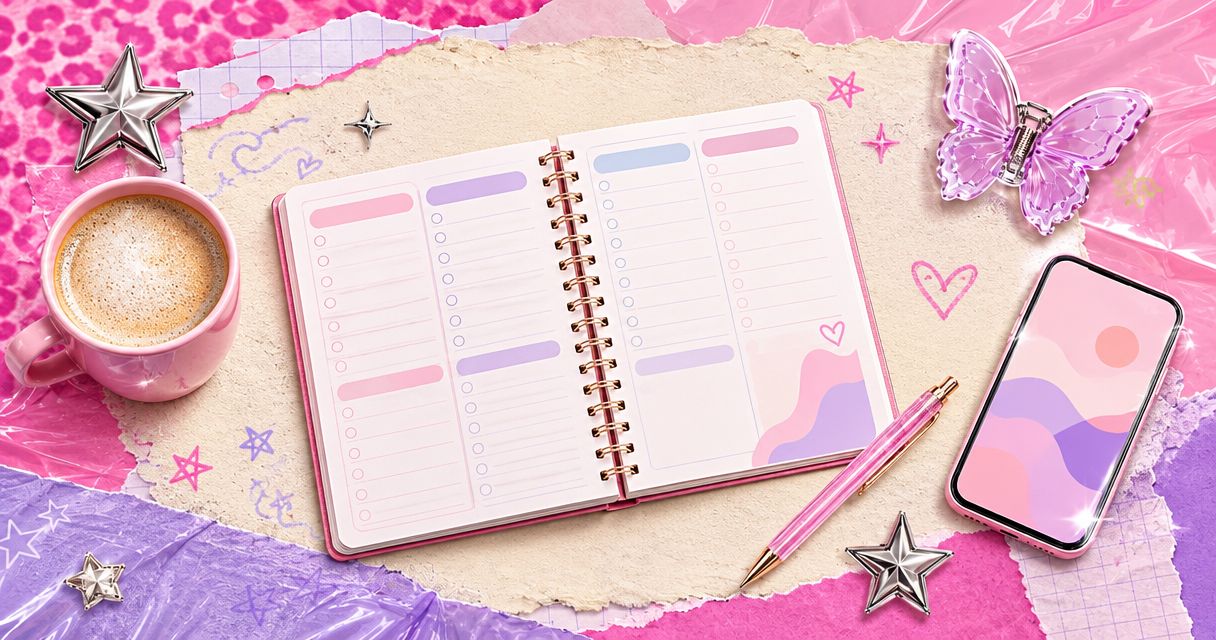
Choose an undated weekly planner with enough writing space for your actual week, dates you can add when you need them, and room for something besides obligations. The right fit lets you leave a week blank and come back without turning your planner into another thing you’re behind on.
- Choose an undated weekly planner you can return to without catching up on missed weeks.
- For overwhelmed moms, writing space matters more than extra trackers or elaborate layouts.
- Keep weekly planning and self reflection together only if both have enough room.
- The Sheema Edit centers reflection and planning for readers seeking space for themselves.
Why this matters
When you’re already keeping track of appointments, school reminders, meals, and everyone’s mysteriously disappearing belongings, a planner shouldn’t require its own management system. You’re looking for somewhere to put the week down, not somewhere else to prove yourself.
At The Sheema Edit, the conversation includes motherhood, mental wellness, and making room for your own thoughts. That’s a useful starting point for choosing a planner: your life belongs on the page, not just the things you do for other people.
You don’t need a perfectly balanced week before you can plan one. You need a layout that leaves room for the week you actually have.
How do you choose an undated weekly planner that leaves room for you?
Start with the space you need, then look at the format. A lovely cover can wait a moment while you check whether Tuesday has room for more than a dentist appointment.
Use these steps as a gentle way to compare pages, not another assignment to finish.
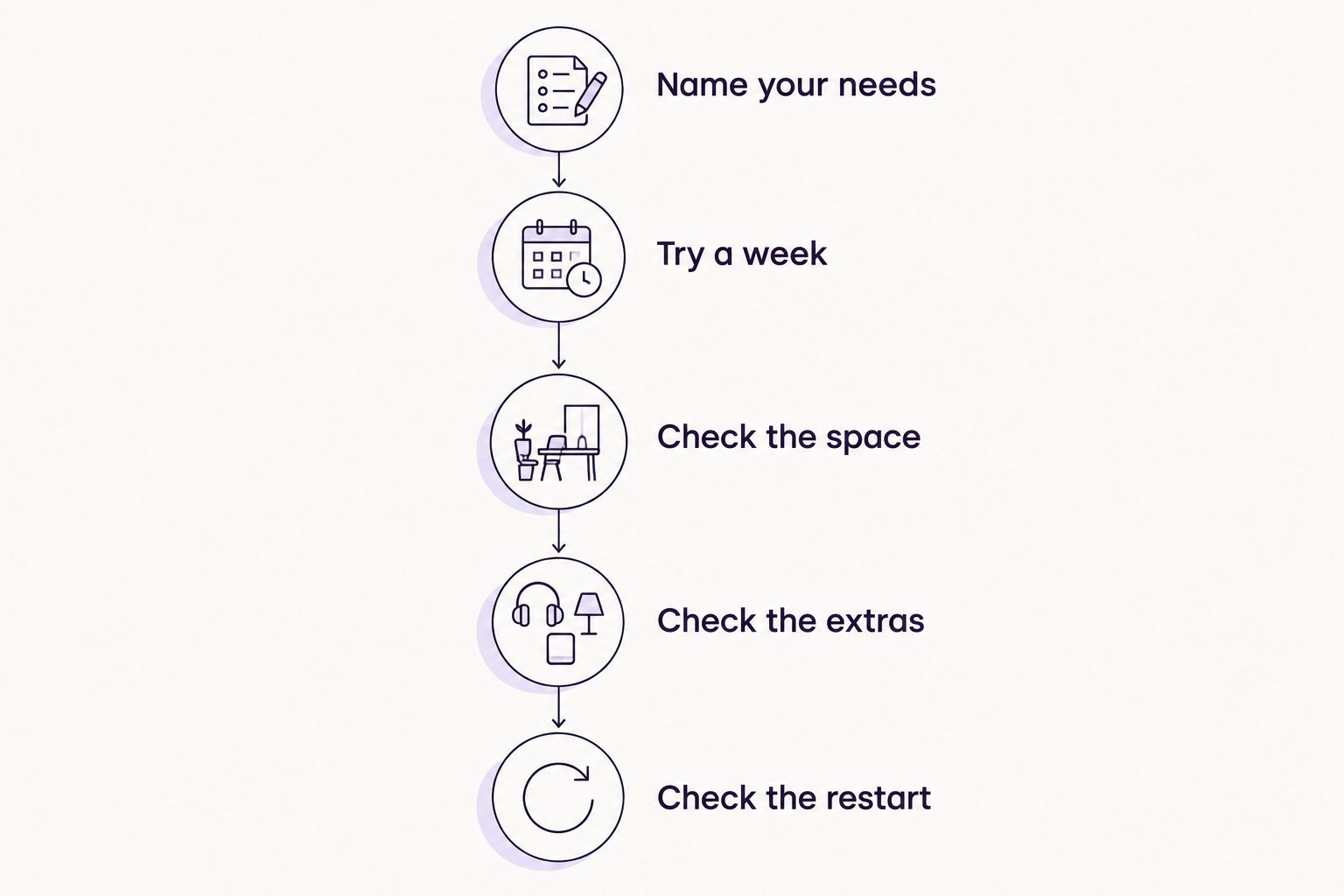
- Name your needs. Write down what you want the page to hold: appointments, reminders, personal time, or thoughts you don’t want to lose.
- Try a week. Copy a familiar week into a sample layout or sketch one on spare paper. Use your normal handwriting.
- Check the space. Notice whether everything fits without squeezing your own needs into the margin.
- Check the extras. Look at every tracker and prompt. Keep only the ones you genuinely want to use.
- Check the restart. Imagine leaving it alone for a while. Choose a layout you’d feel comfortable opening again.
Give yourself 5 minutes for that first trial if a small boundary helps. You’re checking whether the page works, not auditioning for a stationery commercial.
The most useful question is simple: Can you see what matters without making yourself smaller to fit?
Which planner format fits the way you’ll actually use it?
An undated weekly planner can take different forms. Compare the practical differences before deciding which one belongs in your day.
These are format choices, not a ranking of how organized a person you are.
| Format | Best for | What works | What to consider |
|---|---|---|---|
| Bound paper planner | Writing away from a screen | Your pages stay together in one place | The page layout is fixed, and you need the planner with you |
| Printable weekly pages | Choosing which pages to print | You can print another copy when you want a fresh page | You need a printer or printing service and somewhere to keep loose pages |
| Digital weekly layout | Planning on a device you already use | Your planning page stays on that device | Writing and editing depend on the file, device, and app |
Choose the format with the fewest awkward steps for you. If printing feels like an errand you’ll keep postponing, printable pages aren’t automatically the easiest option. If opening a device sends you straight into messages, paper deserves consideration.
There’s no prize for choosing the format that looks most impressive in someone else’s morning routine.
Look for writing space before extra features
A weekly overview should let you read your plans without decoding tiny handwriting. Check the actual page dimensions and preview, not just a photograph of the cover beside a very photogenic coffee.
Try writing 3 priorities in the available space. These are test entries, not a rule about how much you should accomplish. Add an appointment and a note to yourself, then see what happens to the layout.
If everything fits only when you write smaller than you normally would, choose a different page. Your handwriting does not need a performance improvement plan.
Also check where your personal time would go. A page full of appointments and tasks can still work if there’s room to write “sit outside” or “leave this evening open” alongside them.
Space for you doesn’t require a dedicated wellness box. It requires permission to put yourself on the page.
Decide how much structure feels helpful
Some readers want named sections because a blank page feels like another decision. Others want open space because their weeks don’t divide neatly into work, home, meals, and personal goals.
Neither preference needs correcting. Look at the prompts and ask whether they help you begin or make you feel supervised.
A few useful questions:
- Do you want appointments arranged by time, or is a simple daily space enough?
- Would a shared notes area help with tasks that don’t belong to a particular day?
- Do you want room for reflection on the weekly page, or somewhere separate?
- Are the trackers genuinely useful to you, or merely difficult to leave empty?
- Can you ignore a section without losing the usefulness of the whole page?
You’re allowed to like structure and dislike being managed by a notebook. Choose enough guidance to get started, with enough freedom to change your mind.
Check what “undated” means on the page
An undated label should lead you to inspect the pages, not skip the inspection. Look for blank date spaces and check whether the planner includes any dated calendars or sections tied to a particular year.
If you’re choosing a planner in 2026, check the inside pages rather than assuming every section is reusable because the cover says undated. A weekly layout and an annual calendar can have different date arrangements.
Think about how you want to handle breaks, too. Would you rather use the next available page when you return, or keep weeks together in calendar order? Either approach is fine, but the format should let you do what you prefer.
A page you start in late 2026 doesn’t need every earlier week filled in to become useful. Begin with the dates you need now.
Why the right planner varies from person to person
The best fit depends on how you’ll use the page, not how much enthusiasm you feel while shopping. These differences deserve more attention than decorative extras:
- Writing size. Larger handwriting needs more usable space, whatever the page looks like in a preview.
- Changing schedules. Plans that shift need room for edits, moved tasks, or a simple note that something changed.
- Where you plan. A planner kept on a kitchen counter serves a different situation from one carried in a bag.
- Reflection preferences. Some readers want personal prompts nearby; others want their thoughts separate from appointments.
- Printing access. Printable pages involve getting the pages printed and keeping them together.
- Comfort with blank space. Open sections can feel welcoming or like unfinished business. Notice your own response.
Choose for an ordinary week, including the messy parts. A planner that only suits your imaginary quiet Sunday afternoon has misunderstood the assignment.
Can an undated weekly planner include journaling?
An undated weekly planner can include journaling if there’s enough space for both reflection and practical plans. You don’t have to combine them just because the page offers a box for feelings.
Try 1 sentence first: “Something I need room for this week is…” Stop there if that feels complete. Reflection doesn’t become more legitimate because it fills a page.
The Sheema Edit’s printable journals and planners are relevant if you’re looking for a place to explore both reflection and planning. Choose according to the actual page previews; keeping these practices separate is equally valid.
A tiny notes box isn’t obliged to hold your whole inner life. Some thoughts deserve their own page, and some can stay unwritten.
Do you need to use an undated planner every week?
You don’t need to use an undated planner every week. You can return when having a place for your plans feels useful again.
A planner you begin in 2026 doesn’t need to become a record of every week of 2026. Missing pages aren’t a debt, and returning doesn’t require an explanation.
When you reopen it, begin with what’s still relevant. You don’t have to recreate old appointments or transfer tasks that no longer matter just to make the pages look continuous.
What should you write if you don’t have many appointments?
You can use a weekly page for reminders, intentions, and things you want to leave room for, even without a busy appointment calendar. An open week doesn’t need filling simply because there are boxes available.
Try a gentle prompt rather than inventing more tasks:
- What would make this week feel a little less crowded?
- What do you want to remember that isn’t urgent?
- What can stay unfinished without needing a speech about it?
- Is there something pleasant you’d like to make room for?
You can write “nothing planned” and mean it. White space is allowed to remain white space.
FAQ
What’s the best undated weekly planner for an overwhelmed mom?
The best undated weekly planner for an overwhelmed mom has readable writing space, a layout she finds useful, and sections she can leave blank. Test a sample page with an ordinary week before choosing.
Is an undated planner better than a dated planner?
An undated planner is a better fit if you want to add dates as you go and leave breaks between uses. A dated planner fits readers who prefer dates already printed and a fixed calendar sequence.
Can I start an undated weekly planner halfway through 2026?
You can start an undated weekly planner halfway through 2026 by adding the dates for the week you want to use. Check the preview for any separate calendar pages tied to a specific year.
Should I choose printable pages or a bound planner?
Choose printable pages if selecting and printing pages suits you; choose a bound planner if you want pages already kept together. Printing access and where you’ll use the planner matter more than which format looks better online.
What should I do with blank sections in my planner?
Leave blank sections empty, rename them, or use them for something relevant to your week. You don’t need to create a habit or goal just because a box is waiting.
Can I use a weekly planner without tracking habits?
You can use a weekly planner without tracking habits. Appointments, reminders, personal time, or a short reflection are enough if those are the things you want to keep there.
How do I start using my planner again after a break?
Start with your current week and the plans that still matter. You don’t need to backfill missed weeks or move every old task onto a fresh page.
One last thing
Before choosing a planner, try leaving part of your sample page empty on purpose. Not as space you intend to fill later. Just empty.
Notice whether the layout still feels useful. If its whole appeal depends on every box being completed, consider whether that’s the relationship you want with a planner.
The Sheema Edit is for readers who want reflection and planning without making productivity their measure of worth. Your planner can hold the week without holding you to an imaginary standard.
Choose the page you can return to as you are. That’s enough of a beginning.
With Love, Sheema.